Mosaic Media Films

Video Production

stedward Mosaic Media Films

The Power of Drone Videography: Captivating Aerial Content That Elevates Your Brand

The Secret Formula for Creating Viral Videos An exciting new aerial technology has changed what most people know about the video production world. Although it’s a new term, drone videography isn’t a buzzword. It’s an innovative form of videography and photography involving remote-control aircraft. This description makes this practice even more interesting, right? Well, the truth is that its exciting implications and the endless benefits it offers to many industries have driven the popularity of drone videography. However, many things remain to learn about this innovative form of videography and why businesses should embrace this technology. Do you need aerial footage? Are you looking to ensure that you always capture high-quality drone videos? Mosaic Media Films – Austin Video Production Company provides all the information you need! Understanding What Drone Videography Is Before delving into the basics of this new technology, it’s essential to answer this question: What is drone videography? In simple terms, it’s an emerging technique allowing creators to capture video footage from the sky using a drone. This technology is often used to film huge spaces, special events, and impressive landscape stretches from a bird’s eye view. Essentially, drone videography is the art of using unmanned aerial vehicles (UVAs) to get a unique, exciting, and fascinating look at a space, subject, or scene that wouldn’t be possible to achieve with traditional methods. This type of aerial photography and videography offers many benefits compared to ground-level technologies. When you fly drones, you can see things that are impossible to spot. Drones aren’t as expensive as many think and are so easy to fly once you get used to these tools. Additionally, they’re safer alternatives to common aerial photography methods, including those involving planes or helicopters. Getting Started in Drone Videography Are you considering becoming a drone videographer? Do you want to enter this world but don’t know how to start? Let’s go over each consideration. Choose the Right Drone This isn’t as easy as searching for the “best drone for videography” online and buying the first option. If you want to choose a suitable drone, you should consider your needs and skill level. Also, the drone you choose should suit the video footage you want to capture. Drones come in multiple shapes, weights, sizes, and prices. Furthermore, each has its own set of features and imaging capabilities. You can buy a professional drone with interchangeable lenses or one that can be flown with FPV (First Person View) goggles if you want to start or scale your videography business. However, a tiny drone might be a better option if you’re on a tight budget. Do you want to know if an option can help you capture the type of drone video you have in mind? Answer these questions before buying your equipment: Do you need to capture high-resolution cinematic video? Can you rely on your current skills to maximize the potential of your drone’s features and imaging capabilities? Are you on a tight budget? Or are you willing to spend a lot of money to buy a professional drone with top-class features? After answering those questions, you can choose the right drone for your needs, preferences, and skill set. Learn to Use the Camera Learning to fly a drone isn’t difficult, especially if you loved flying remote-controlled planes as a kid. However, you should always be careful and learn the basics of your drone’s camera operation. Ideally, you should pay attention to the following elements: Video recording codecs and formats The configuration of the camera’s manual settings How to control the aperture, ISO, or shutter speed Available frame rates Once you master all the features and options on your drone’s camera, you can capture impressive and compelling drone videos. Read next: How to Create a Video Marketing Campaign? Is It Worth Buying a Drone? Not all drones are expensive, but buying one involves investing significant money in your equipment. Also, you’ll likely need to buy other accessories, such as memory cards, propellers, batteries, cases, gimbals, and more. These items may require an even higher investment. Is it worth it? Can drone technology benefit your business or personal brand? Drones are fascinating. Many people want to buy their UVAs to record stunning, high-quality videos from the sky or take impressive photos in remote locations that were previously inaccessible. However, if a drone might be your best idea, it’s totally up to you. This decision will depend on your plans, where you live, your goals, and how much money you will invest in this technology. Benefits of Drone Videography Taking pictures and making aerial shots of beautiful landscapes and places with impressive quality is possible thanks to drones. However, this technology offers many more benefits than just taking impressive drone shots. Find the most important ones below! Provides Unique and High-Quality Video Footage This is the most apparent advantage of drone videography, but it’s worth mentioning again. With this technology, you can record breathtaking aerial video footage and offer an innovative, unexplored perspective on a place, activity, or event. Facilitates Data Gathering Drones are excellent tools for gathering information from high altitudes. Many industries can benefit from this technology to collect essential data for disaster preparation efforts or future strategies. Helps Save Time and Money Recording aerial footage isn’t easy when traditional methods are implemented. The process often involves using expensive equipment and paying high fees. However, drones eliminate these challenges by providing high-quality, cost-effective technology. While you can find expensive drones, many are affordable. In addition, they’re highly efficient, helping you record footage in less time. Saving time by recording aerial videos also helps you reduce operating costs and maximize your investment. Produces Less Disturbance Drones operate more quietly than the methods commonly used to record footage at ground level. Additionally, since they have excellent zoom capabilities, most options produce little to zero disturbance. Whether you’re filming a documentary or capturing photographs for the news, drones won’t disturb people or animals below. Can Be Used in Multiple Ways Through

The Power of Drone Videography: Captivating Aerial Content That Elevates Your Brand Read More »
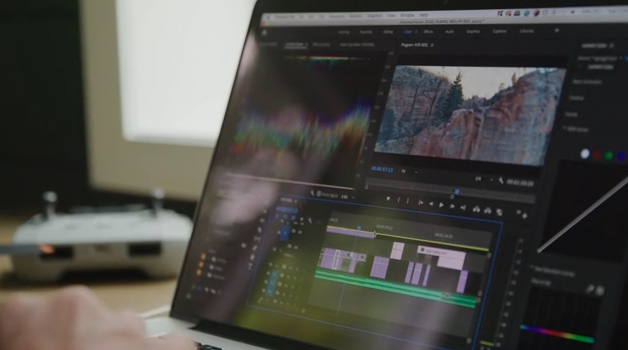
editing jpg Mosaic Media Films

Essential Video Editing Tips to Take Your Content to the Next Level

The Secret Formula for Creating Viral Videos What’s the next step after shooting the perfect video, vlog, or movie? Is there a way to make people feel emotionally connected to what they see? How can you put your creative stamp on your work, create a compelling narrative, and communicate the right message to your audience? This is where video editing comes in. Besides giving you final products of better quality, the post-production phase contributes to your video’s overall story and allows you to offer a remarkable watching experience to viewers. However, the video editing process can be challenging and time-consuming, especially if you’re a beginner. Fortunately, the good news is that you don’t need to be an expert to get great results. With these video editing tips, you’ll master your skills and understand the best practices to create fascinating audiovisual pieces. Mosaic Media Films – Austin Video Production Company invites you to learn how to edit videos like a professional. The Importance of Video Editing You’ll find many video editing tips here, but there’s something you need to know first. Let’s answer an essential question. Why is Video Editing So Important? Assuming you’ve finished recording footage, do you think your video is ready for others to watch it? Are you sure it’s enough to attract viewers and convey a compelling message? Millions of videos are uploaded to YouTube and social media platforms every day. If you fail to make yours attractive, it’ll just go unnoticed. However, editing videos means adding a finishing touch to your work, bringing everything together, and making this project shine. In contrast, an unedited video often gives off the impression of being amateur, poor quality, and less professional. This isn’t what you want for your personal brand or business, is it? Whether you edit your own videos or offer post-production services, this process will help you make your content more enjoyable, attract more people, achieve higher audience retention rates, and grow your customer base or followers. The Best Video Editing Tips and Tricks Beginner video editors can find so much information on this practice out there. There are guides, blog posts, eBooks, online courses, and more. However, these 9 video editing tips and tricks are the ultimate way to take your footage to the next level. #1 Choose the Right Video Editing Software Undoubtedly, finding the right software is the first and most crucial step to start editing videos. There are many options on the market! Adobe Premiere Pro, Final Cut Pro, and Camtasia are the most popular. Since there are so many video editing software solutions, finding the right one isn’t always easy. Key Considerations Considering the following factors may help you make a better decision: Your budget: Some options are more expensive than others, while a few tools have free or trial versions. Your editing style: Each video editing software has different features and tools. Your learning needs: Finding resources and tutorials for a specific tool or technique in some software solutions is easier. Your equipment: Some video editing software is suitable for powerful computers only, while others work perfectly fine on smartphones. #2 Keep Your Videos Concise Did you shoot an hour of footage? Well, that doesn’t mean your edited video should be 60 minutes. In today’s busy world, long videos hardly keep an audience’s attention span, which should be your goal. Many amateur video editors make this mistake. Their clips are too long and fail to retain viewers’ attention and attract a wider audience. However, you shouldn’t cut your one-hour footage to just a few seconds. Ideally, video editors should remove anything unusable, from lines that add nothing to the message or misspoken words to shots with loud background noise. #3 Balance Your Video’s Pace If there’s a tough challenge for most video editors, it’s definitely balancing a video’s pace. However, this tip will make this task easier. Essentially, pace is the speed and consistency of your video. Almost all of your clips will have slower parts but will be faster in some places. However, while that’s natural, a video with a changing pace isn’t comfortable to watch. What Can You Do to Fix That? When editing videos, it’s always important to consider the rhythm of your content. The atmosphere also plays a key role. Moving viewers smoothly and comfortably from one scene to another should be one of your main goals. Ideally, the speed and consistency of each scene should match the tone of the content or message. However, this is quite challenging when the pace is constantly changing. Fortunately, you can solve this issue and create a sense of harmony by using cuts. Fewer cuts will make slower-paced scenes more comfortable to watch. If you want to improve fast scenes, more cuts that are closer together could help you get a more harmonious result. #4 Cut on Action Cuts are valuable resources sometimes but can also cause a few problems. If you’re using different takes, they’re often jarring. Finding a solution to enhance the video won’t be difficult in these cases. However, using multiple cameras in just one shot is different. If you want to make your edited video look smoother, don’t cut when things are static but midway through an action. Viewers will focus on the movement, which helps cover those small continuity errors for a better watching experience. #5 Don’t Forget to Balance Audio Levels What if your images are impressive and neat, but your audio isn’t? When it comes to video editing, both are important. The final product could be unwatchable if the audio is unbalanced or distorted. Therefore, you should always try to capture high-quality audio when shooting. When you pay attention to the audio’s quality while recording, balancing it out during post-production is easier. Key Considerations To balance your video’s audio, consider the following: Make sure audio levels don’t cause discomfort by spiking or dipping too sharply, especially on aerial videos. Read more: Aerial Perspectives: The Rise of Drone Videography Fix voice levels and

Essential Video Editing Tips to Take Your Content to the Next Level Read More »

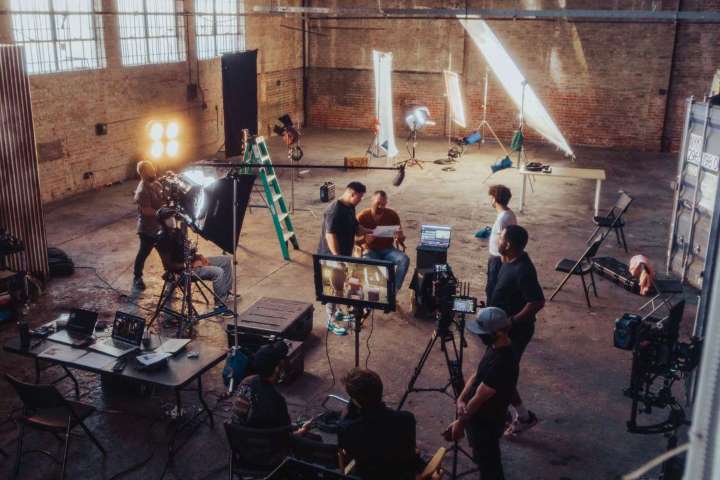
A group of people is preparing a scene for a video.

Mastering the Video Production Process: A Comprehensive Guide

The Secret Formula for Creating Viral Videos Creating a good video is a multi-step process that requires creativity, technical knowledge, and experience. If you want to know the steps in producing a high-quality promotional video, you have come to the right place! Mosaic Media Films – Austin Video Production Company will show you the five-stage video production process to help you understand better what to expect. Before You Commence Your Video Project, Choose a Video Production Team That You Can Trust Starting a new project might seem daunting, especially if you own a small business. However, when you choose a reliable video production company that will not only pull out all the stops to help your video go viral but also put your mind at ease. With so many production companies on the market, knowing which one to choose can be challenging. Here are a few tips to help you make the right choice: Expertise. Look for a production team with many years of experience, knowledge, and expertise to produce the kind of video you’re looking for. Pricing. Cost is undoubtedly an important factor to consider for any video production project. However, it’s important not to base your decision purely on pricing, as you could end up with a poorly rated company that makes a mess of your video. Creativity. The truth is that the video production process doesn’t just require expertise. It also demands creativity. After all, you want your video to make an impact and promote your business cleverly, developing a relationship of trust. We offer world-class video production at Mosaic Media Film to grow your business and increase your bottom line! The Video Production Process Now that you know the criteria for a reliable service provider, let’s discuss the steps in producing a video. Stage One: Planning and Development Commencing any major project without a plan and a goal can be dangerous. Planning and brainstorming is an essential part of the video production process. Setting goals is a crucial first step. Before you set a budget, explore concepts, and begin the process of storyboarding, you must first decide what you want to achieve with your film. Consider whether you want to build a relationship with your current customers or generate additional leads by promoting your video on social media. After you’ve established your objectives, you can start throwing ideas around and deciding which would best help you meet your goals.  Once you have completed these two steps, it’s time to think about your budget. This is another important step, as it will prevent you from spending too much. Many believe that it costs hundreds or even thousands of dollars to make a 30-second film. However, thanks to advancements in multimedia technology, you can create a compelling video with a smaller budget. You may not be able to produce a spectacular ad replete with famous superstars, but you can undoubtedly produce something that will attract and engage viewers. Stage Two: The Pre-production Phase The pre-production process is next. It involves formulating those ideas into something more structured to prepare for production. This will include creating storyboards, generating scripts, and hiring actors to star in your video. Storyboards are an important component of any video, and they should not be left out. What’s a storyboard, you ask? A storyboard is a graphic plan that depicts major scenes in your video. Using your storyboard as a guide, you can start writing your script. It’s a good idea to make detailed notes to ensure your video production team understands your requirements. This is also a good time to visit locations you would like to use in the video and pick out talent to star in the clip. Stage Three: Production Once all the video has been planned, it’s time to commence the next phase of the process: filming. This is arguably one of the most enjoyable parts of the process. During this process, your ideas will come to life and be captured on screen. It’s important to remember that filming a high-quality video requires specialized equipment to create raw footage that will be edited to produce a final video later. Remember, there’s much more to the production phase than simply turning on a camera and filming the scene. There’s also lighting to set up and voice-overs that must be recorded to ensure the video content is of a high standard. Fortunately, if you are working with a reliable production team, you won’t have to worry about this phase too much, as the team will take your ideas, storyboard, and script and use it to create something spectacular. Stage Four: Post-Production Phase Once the video has been filmed, the work doesn’t stop there. It’s time to get to work editing and polishing it during the post-production process to prepare it for your target audience. During this stage of the video production process, the team will start organizing, planning, and editing all the footage. The video producer will assemble various portions of the footage to create a story before the video editor works his or her magic to combine all the elements and create something that draws viewers in and keeps them watching until the end. Video editing software is often used to do this. It’s important to note here that editing and refining all the raw materials is time-consuming and requires a video team that knows what they’re doing to ensure optimal video playback, so it requires a little patience. Read more: Engaging Audiences: Creating Effective Brand Videos Stage Five: Marketing and Distribution In this phase, the final video is marketed and distributed. Once all the footage has been compiled and edited and you are happy with the result, you must ensure it reaches the intended audience. This takes a good understanding of your target market and a working understanding of their online behavior. Social media platforms are a great place to start. You can use the video as part of your paid advertising campaign to reach more people. The best way to go about this phase of the process is to

Mastering the Video Production Process: A Comprehensive Guide Read More »